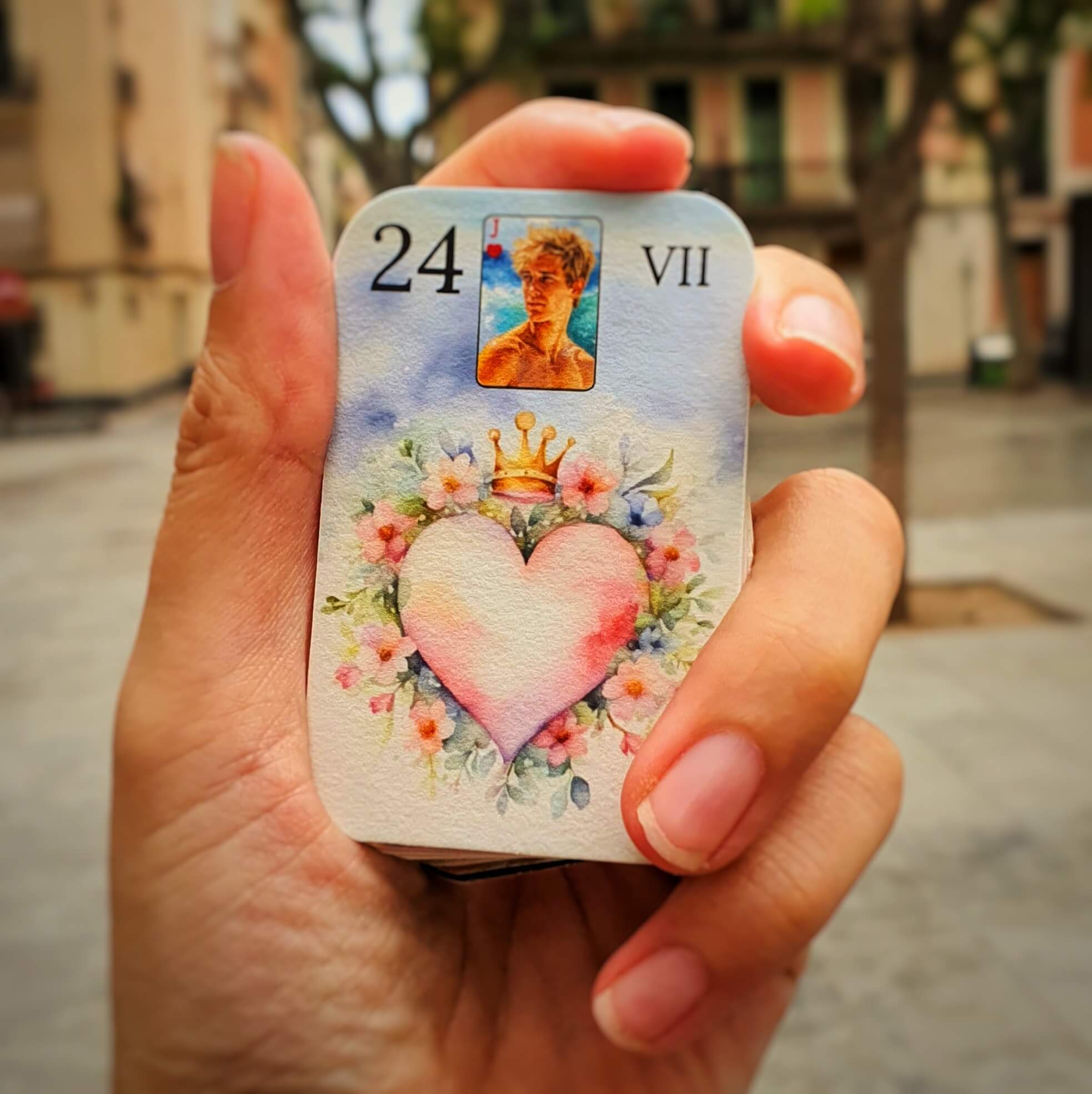
House 11: Whip
What is repeating or creating tension?
In the Grand Tableau, the House of the Whip draws your attention to what returns, repeats, or grows more intense.
The card that falls here shows what is part of this repetition.
So begin by asking:
What is repeating or creating tension?
Then look at the card there.
It may show a subject that keeps coming back, a repeated activity, rising tension, or something that takes a lot of energy.
Look for the loop first
Imagine something starting again.
Once.
Then once more.
And again.
This is a very simple way to understand this House.
Repetition may be difficult: an argument that returns, a worry we keep turning over, a repeated constraint.
But repetition can also build something: training, practice, regular work, trying again until you improve.
So the House of the Whip does not automatically tell you:
There is a conflict.
It first asks you:
What is going around in a loop here?
The card there gives you the subject.
A loop can build or wear you down
Doing something several times is neither good nor bad in itself.
Repeating an exercise can make you better.
Repeating the same argument can wear you out.
Returning to a task regularly can build discipline.
Returning again and again to the same worry can feed tension.
That is why context matters so much in this House.
Once you have found what repeats, ask yourself:
What is this repetition producing?
A few examples to help you understand
With the Birds
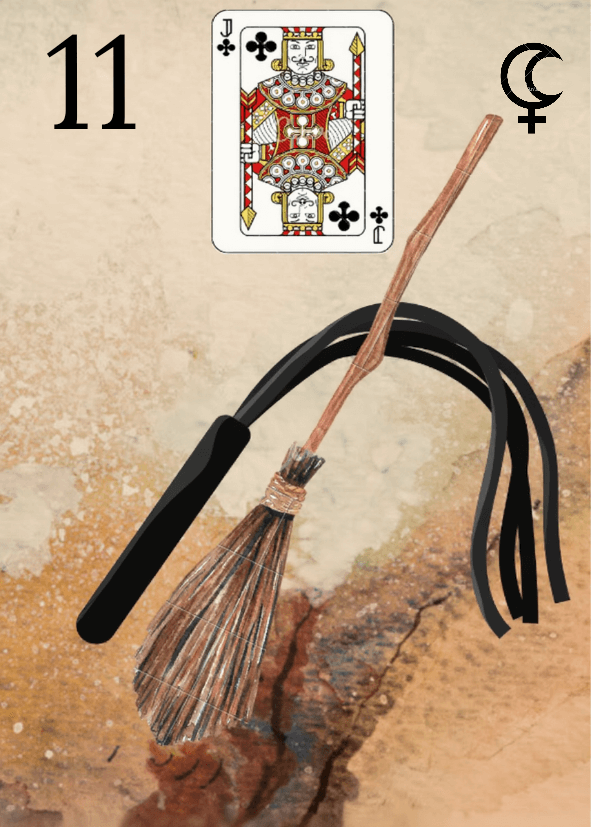

The Birds speak of conversation, agitation, and nervousness.
In the House of the Whip, they may show a discussion that keeps coming back.
This may be a repeated argument, a subject revisited without ever being resolved, or exchanges that keep worry alive.
House 11 shows the repetition.
The Birds show what repeats: words, discussions, agitation.
The useful question then becomes:
Does talking about this subject help us move forward, or are we always replaying the same conversation?
With the Ring
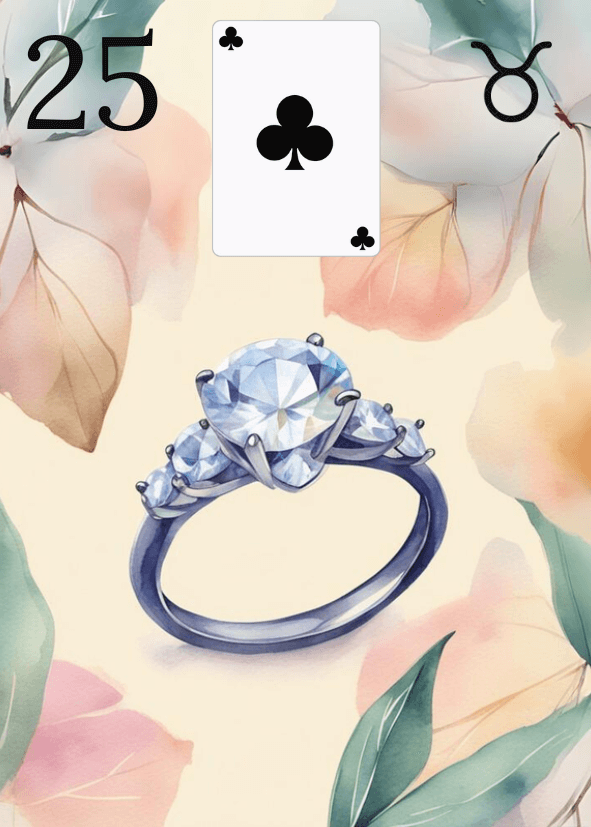
The Ring speaks of commitment, connection, and cycles.
In the House of the Whip, it may show something repeating within a commitment.
In a relationship, this may be the same conflict returning.
In a contract or practice, it may instead show something repeated regularly that sustains the commitment.
So this combination does not automatically say that the bond is in trouble.
It asks instead:
What cycle is repeating in this bond?
The rest of the Grand Tableau then helps you see whether it strengthens or wears the bond down.
With the Heart
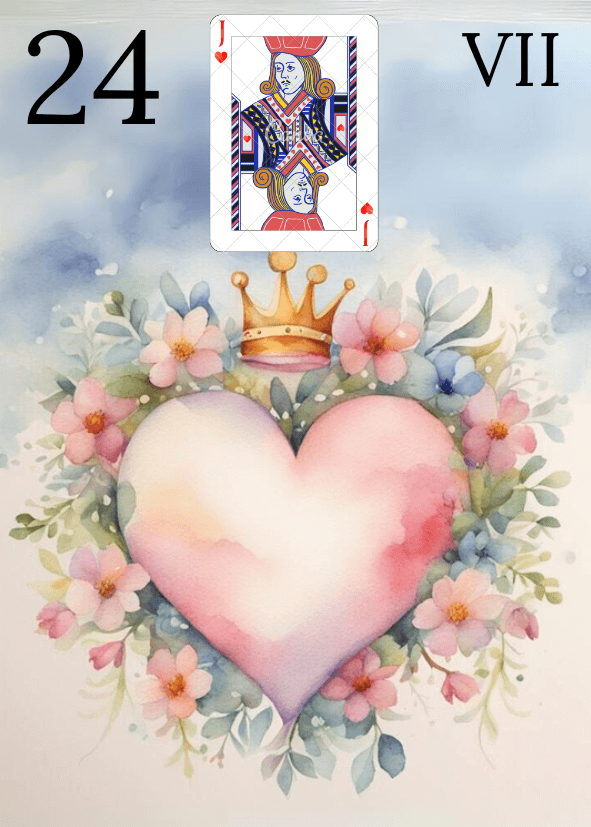
The Heart speaks of love, desire, and what matters emotionally.
In the House of the Whip, it may show an emotional life growing more intense.
This may be a strong passion, recurring desire, or emotional tension being replayed.
If the reading really concerns intimacy, the Whip’s sexual meaning may also be relevant.
But that is not automatic.
The House shows intensity or repetition.
The Heart shows where it is focused: feelings or desire.
What if the Whip falls in its own House?
When the Whip falls in the House of the Whip, something repeats and takes up more and more space.
Depending on the situation, this may be an effort you repeat again and again, a discipline you maintain, or an argument, tension, or constraint that keeps returning.
The important thing is not necessarily to decide at once whether this repetition is good or bad.
Ask yourself instead:
What is going around in a loop here?
The rest of the Grand Tableau will then help you see whether the loop builds something, like training or steady effort, or eventually wears you down.
Repetition, conflict, discipline, desire: how do you choose?
You do not need to use every meaning of the Whip at once.
Always start with the simplest one:
something repeats.
Then look at the subject of the Grand Tableau.
If it is about conflict, look for what keeps returning in the argument.
If it is about work, sport, or learning, look instead at repeated effort and discipline.
If it clearly concerns intimacy or desire, the sexual meaning may be relevant.
Context does not change the House at random.
It helps you understand what form the repetition takes.
Intensity does not mean violence
A card in the House of the Whip cannot, by itself, predict violence.
Tension can be strong without becoming violent.
In the same way, strong intensity does not automatically mean sexuality.
These readings need real support from the context and the other cards.
Start with what you can observe with confidence:
something returns, rubs against you, or concentrates a lot of energy.
Remember
At position 11, ask:
What is repeating or creating tension?
The card there shows what is entering the loop.
Then ask a second question:
What is this repetition producing?
It may build.
It may strengthen.
It may heat things up.
It may wear you down.
The House of the Whip asks you to do more than spot what returns.
It teaches you to look at how repeating something changes the story.